Virginia's Battle with Mold

April 24, 2023

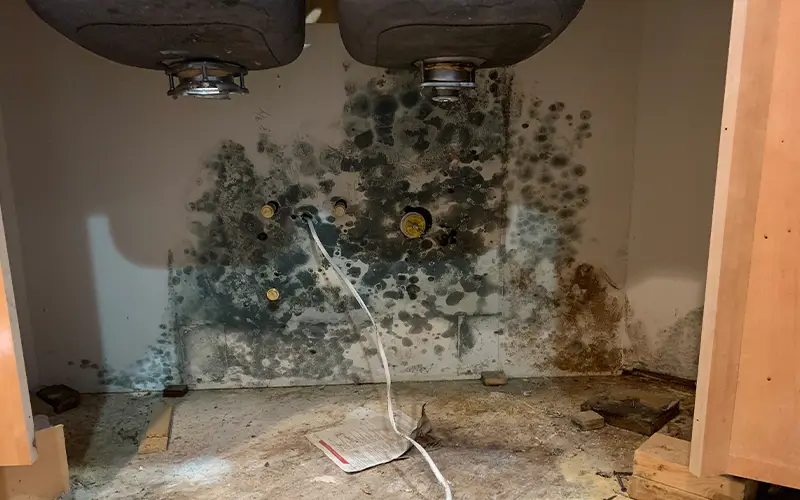
Mold grows wherever moisture or humidity is present. That is unfortunate for Virginians with the combination of rainy days and humidity. Because mold can grow very quickly, with the spores of some varieties beginning to germinate in as little as four to 12 hours, it's important to be aware of the health risks that can be associated. And its vital to understand how to eliminate mold if it makes its way into your home or business.

Mold exposure causes health risks including:

  1. Irritation to eyes, nose, and upper airways.
  2. Allergic reactions to people that are allergic to specific varieties of molds.
  3. Asthmatic reactions for people with asthma including the triggering of an Asthma attack.


If continuously exposed to mold, some people may develop symptoms such as watery, itchy, burning or red eyes; nose or throat irritation; sneezing; coughing or wheezing; constant headaches; memory problems or mood changes; aches and pains; and in some cases, hives, welts, or skin rash. Mold spores cannot be seen but can be inhaled, which can cause irritation or infection in the lungs and make it harder to breathe.Some people are affected by the presence of mold while others can live in places with a large amount of mold and not experience any symptoms.


So what is mold removal?

The process of ‘removing the mold’ is called mold removal. As simple as it sounds, but there is more to it. “Removing” might sometimes indicate mere cleaning, without addressing the core problem, that is, identifying the source for the occurrence of mold.


While molds are a natural part of our ecosystem, one cannot completely eliminate it. Mold spores are typically inherent in all indoor and outdoor spaces, so technically, it is impossible to completely eradicate all molds – but the key is to control it’s growth.


Mold spores are generally harmless until they settle on a damp spot and begin to grow into active mold. When you have mold growing in your home, removal becomes imminent. A simple mold removal process is never enough to solve mold problems in your home, unless the infected area is too small. What is mold remediation?


You might have wondered: What does mold remediation mean and what is involved?

Mold remediation is the term used to describe all the processes involved in eliminating harmful mold growth. It includes mold testing, removal, demolition, sanitizing, containment, and mold cleaning, depending on the type and location. A professional restoration company that understands mold growth’s critical nature will offer remediation to get the mold levels in your home back to a harmless point rather than a false promise of complete mold removal.


What is the mold remediation process?

The mold remediation procedure is unique to each mold growth scenario. Different cases will usually require other solutions. However, the fundamental mold remediation procedure covers:


  • Mold inspection and assessment: A careful inspection of the property is done to identify mold growth type and source. This is very important in determining the best approach for remediation.
  • Containment: Molds produce spores when they are triggered. These spores move in the air and can settle on other surfaces while they are being removed. As a result, expert mold remediation involves isolation of contaminated areas before cleaning or removal.
  • Cleanup and air filtration: Mold cleaning approach depends on its location. Molds on non-porous or semi-porous materials are often cleaned through a safe process that prevents spores’ release into the air.
    Disposal or removal: The type of material on which the mold grows will determine if the disposal is required. When mold grows on porous material, removal is usually the chosen course of action.
  • Sanitization: Removal of mold-infested materials is often followed by thorough cleaning of all items affected, such as furniture, curtains, floors, walls, etc. This will also include deodorization and elimination of odors with the use of fogging equipment.
  • Preventative Recommendations: The final step in the mold remediation exercise is the preventive recommendation. These are steps suggested by the professionals to homeowners for the prevention of mold regrowth.
  • Mold remediation is incomplete without the recommendations from mold professionals on how mold problems will not reoccur in the future.
  • Post remediation inspection: after the remediation process has been concluded, a post clean up inspection is carried out to confirm the remediation’s success and verify the cleanup effect.


We are here to help families in the Richmond, Virginia area

stay healthy and safe if you have a mold concern.


You may also want to consult the following references:

  • Environmental Protection Agency (EPA) at www.epa.gov/mold.
  • American Industrial Hygiene Association information, The Facts About Mold at www.aiha.org
  • Federal Emergency Management Agency (FEMA) at www.fema.gov.

You might also like
By Chris Fawcett January 14, 2026
Water damage spreads quickly, and delays can increase repair costs. If your home or business experiences water damage in the greater Richmond area, it is vital to follow the correct steps immediately to limit structural damage and reduce the risk of mold. Step 1: Check for Safety Hazards If water is near outlets, appliances, or wiring, do not enter flooded areas until the electricity is shut off. Standing water combined with electricity can be dangerous. If visible structural damage is present, wait for a professional inspection before entering the space. Step 2: Stop the Water Source Shut off the main water supply if the damage is caused by plumbing or an appliance. If water is entering from outside, such as storm flooding, focus on preventing additional water intrusion where possible. Step 3: Document All Damage Take clear photos and videos of affected rooms, flooring, walls, ceilings, and personal belongings. Proper documentation supports insurance claims and establishes the condition of the property before restoration begins. Step 4: Contact Your Insurance Provider Report the water damage as soon as possible. Ask about coverage, required documentation, and next steps. Avoid permanent repairs until the claim has been documented or approved by your insurance provider. Step 5: Remove Surface Water (If Safe) If conditions allow, remove excess water using towels, mops, or a wet vacuum. This only reduces surface moisture and does not replace professional drying or moisture detection. Step 6: Call a Water Damage Restoration Professional Water often spreads behind walls, under flooring, and into insulation. Professional water damage restoration companies utilize specialized moisture detection tools and commercial-grade drying equipment to prevent mold growth and minimize structural damage. How Long Can You Wait After Water Damage? Mold can begin growing within 24 to 48 hours. Materials such as drywall, wood, and insulation can deteriorate quickly if moisture is not properly removed. Immediate restoration reduces long-term damage and repair costs. When to Call Wilton Construction Wilton Construction offers professional Water Damage Restoration Service in Powhatan County, VA , and its surrounding areas, including Richmond, Midlothian, Chesterfield, Henrico, Hanover, Goochland, Petersburg, Hopewell, Colonial Heights, Amelia, and Cumberland. Moreover, Wilton Construction’s water damage services include moisture detection, structural drying, cleanup, and repairs. Our team works directly with insurance companies to streamline the restoration process. Water Damage Restoration in Richmond, VA If you experience water damage, taking immediate action is critical. Following these steps and contacting an experienced restoration company can protect your property and prevent further damage. For water damage restoration in the greater Richmond area, contact Wilton Construction today to schedule an inspection!
December 11, 2025
When fire or water damage strikes your home or business, knowing what to do immediately can save time, money, and stress. Wilton Construction Fire & Water Services in Powhatan, VA, is here to answer the most common questions we receive from homeowners and business owners. Q1: How quickly can Wilton Construction respond to fire or water damage? A: Our emergency line is available 24/7. In most cases, we can be on-site within hours, often on the same day, provided it is safe for our team to travel. Our rapid response helps limit property damage and starts restoration as soon as it’s safe. Q2: What should I do immediately after fire or water damage occurs? A: First, ensure everyone is safe and call local authorities if needed. Afterwards, contact us immediately. Avoid touching damaged areas and don’t attempt major cleanup yourself, as this can worsen the damage. Q3: Does Wilton Construction handle both residential and commercial properties? A: Yes, we serve homes, businesses, and institutional properties throughout Powhatan, Richmond, Midlothian, Chesterfield, Henrico, Hanover, Tuckahoe, and Goochland. Our team is equipped to manage emergencies of any size. Q4: What services are included in emergency fire and water damage response? A: We provide: Board-ups and roof tarping Water removal from basements and crawl spaces Tree removal and debris cleanup Temporary structural supports Packing, moving, and protecting belongings Dumpster coordination and item disposal After stabilization, we guide you through mitigation, insurance coordination, and full property restoration. Q5: Can Wilton Construction help with insurance claims? A: Yes, we can assist with documenting damage, communicating with your insurance company, assessing coverage, and providing accurate restoration estimates to simplify the claim process. Q6: Is Wilton Construction certified for emergency response? A: Yes, our team is trained and certified in CPR, First Aid, and AED use, ensuring a safe and professional response. We also adhere to industry standards for fire and water damage restoration service in Powhatan County, VA . Q7: How can I prevent further damage before Wilton Construction arrives? A: If safe, turn off utilities, remove valuables from affected areas, and avoid walking through damaged spaces. Do not attempt to remove water or debris on your own, as this can cause additional damage or safety hazards. Q8: How long does restoration typically take? A: Restoration timelines vary depending on the severity of the damage, property size, and insurance approvals. Our team provides clear timelines upfront and works efficiently to restore your property to its original condition. Q9: Does Wilton Construction offer temporary housing or storage solutions? A: Yes, we can help coordinate temporary housing if your home is uninhabitable and provide safe storage or protection for personal belongings during cleanup and restoration. Q10: Why choose Wilton Construction for emergency fire and water damage in Powhatan, VA? A: With decades of experience, certified emergency readiness, and local knowledge, Wilton Construction provides immediate, comprehensive disaster response. From the first call to full restoration, our team ensures every detail is handled with professionalism, care, and efficiency. Need emergency fire or water damage assistance in Powhatan, VA? Contact Wilton Construction Fire & Water Services today for fast, reliable, and complete property protection.
By Chris Fawcett October 6, 2025
Who is the Best Water Damage Restoration Service in Richmond, VA?

Book a Service Today