Winterizing Your Home Now Can Save

November 28, 2022

Winterizing your home now can save 


Winter is coming. Freezing temperatures, cold air, ice and snow make the warmth inside your house cozy and inviting. Now is the perfect time to begin thinking about preventative measures  you can take to protect your home through the chilly months. 


Unfortunately, Winter is also notorious for busted pipes, invading pests, and fallen trees, but winterizing your home not only helps prevent unexpected surprises, it can also help your home be more energy efficient and potentially reduce costly accidents. The best part is that most of the work requires little other than the investment of time and some basic supplies. 


Here are some basic steps you can take to get your home ready for the Winter months. 


Outside your home


Check your drainage around your home 

Walk the perimeter of your home and be sure that there are no sloping areas or places for water to pool at your foundation.  Saturated soil and pooling water around a foundation can create problems as it freezes and thaws throughout the cold months and erodes the quality of your foundation.  If water is pooling, check your rain gutter downspouts to be sure water is getting moved away from your home.  Sometimes, adding a downspout extender is necessary. 


Clean your gutters and inspect your roof

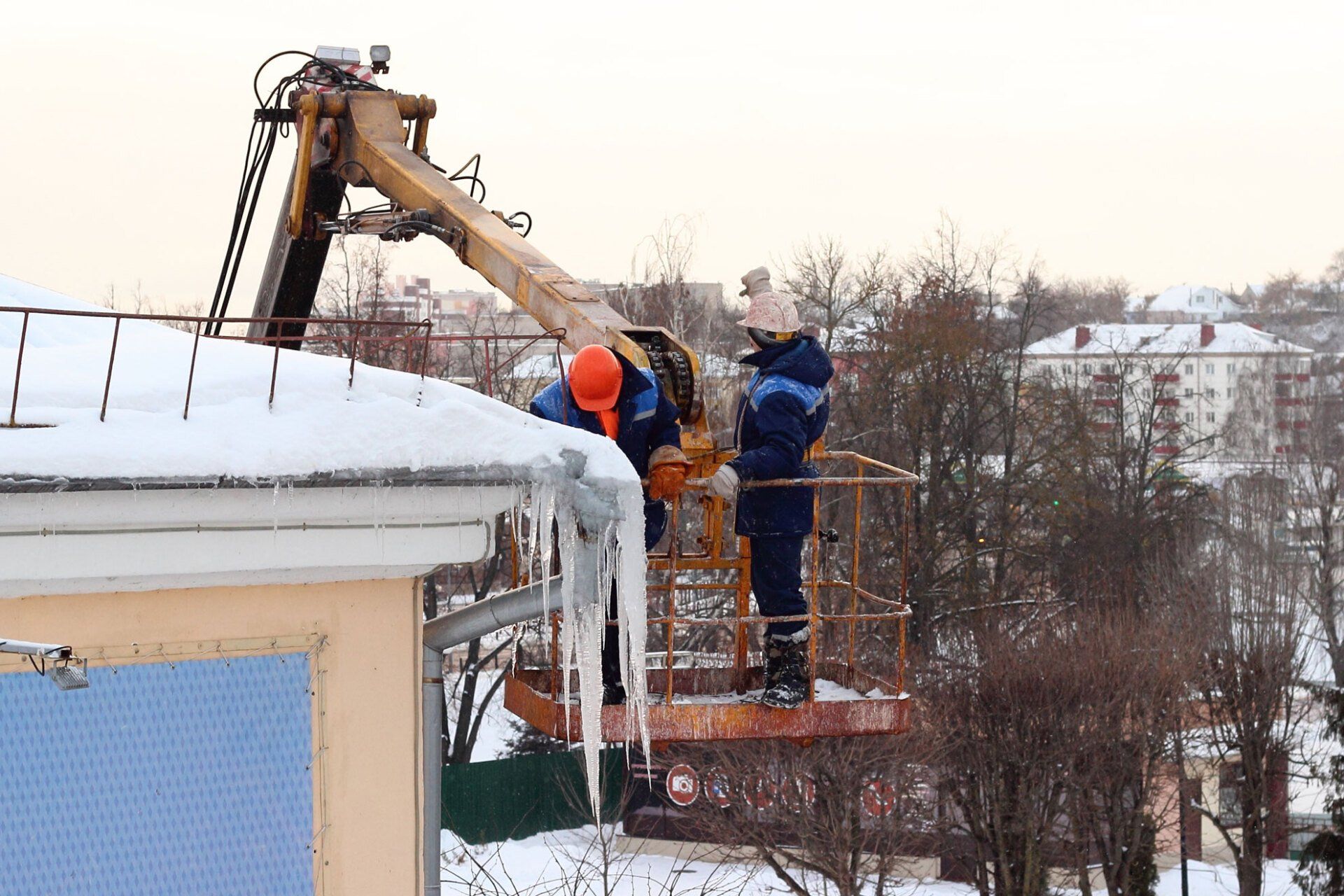
Once the leaves are mostly off the trees, it’s time to clean those gutters. When gutters back up and overflow, that water will run down the exterior of your home and speed up deterioration and also affect your foundation. While you’re cleaning and inspecting the gutters, be sure to clean the roof off completely to remove dirt, debris, and leaves. Organic matter that has accumulated will encourage the wood on your roof to rot. Typically a shovel or a broom, even a hose aimed from the ground can sometimes do the job and make it a lot more fun!


Check your trees

Before all of the leaves fall, take a look at your trees and make sure they’re still healthy, especially trees that could fall on your home or a neighbor’s home. Sometimes, a dying tree will not be obvious. Some of the signs you can look for are:


  • rain pooling around the base of the tree
  • exposed or rotten roots
  • mushrooms growing around the roots
  • hollow pockets, cavities, or decay
  • signs of damage: exposed roots, peeling bark, deep cracks, partially detached or suspended limbs or stem tops
  • signs of illness: lack of foliage or insects like carpenter ants at the base of the tree


If you are still unsure of the health of a tree, it's a good idea to call in certified tree experts, trained to discover disease and signs of weakness and make the best recommendations. Regarding branches, Fall isn’t a good time to trim your trees, but if there are branches up against your house, trim them away before winter so you don’t have ice-coated branches leaning against your siding or windows.


Cover your patio furniture/grill

To best protect your patio furniture, be sure to store it away or cover it to protect it from the harsh elements of winter. It’s important to make sure you wait until a clear, warm day to cover it so you don’t trap moisture on it, creating the perfect environment for mold growth. Cover your grill and be sure to properly store your propane tank for next year. 


House the hose.

Remove all garden hoses that are attached to the house, drain them and store them away. Shut off the valves and insulate the faucet.


Inside your home


Test your smoke and carbon monoxide detectors

It makes sense that Winter is the time most house fires happen. It’s the time of year when we’re blasting the furnace and building fires. Because we are also much more likely to have our home closed up tight, carbon monoxide is a much bigger hazard. If your home is not equipped with carbon monoxide detectors, consider getting some. An HVAC inspection will also ensure your furnace and water heater are properly vented, which is the most likely source of carbon monoxide. Check all of your smoke detectors to make sure they are working properly and that they have good batteries. If you see a red indicator light blinking, that is usually a good sign that your batteries should be changed. 


Seal the cracks

Caulk holes and openings around windows, doors, and air conditioners to help prevent cold air from seeping in and heat from escaping out. You can also install weather stripping for additional heat loss protection.  Consider installing storm doors and windows for additional insulation. 


Get in that attic

When the weather gets cold outside, your attic becomes the perfect winter escape for squirrels, birds and other critters that can cause a lot of damage and potentially some health problems. Having your trees trimmed well away from the house and your roof inspected for any small holes will help prevent this. Also walk around your home and look up at your soffit and fascia. Make sure there are no holes that will allow birds to get in. The attic should also be well-ventilated and about 10 degrees warmer than the temperature outside.  The majority of heat lost in a home comes from openings in the attic. 


Check that fireplace

The first thing to do is to clean out any residual ash and wood chips. Keeping your wood-burning fireplace free of ash will not only improve airflow for a nice, roaring fire but it will also help reduce allergens and odors from the burnt wood fibers. Thinking of using your vacuum?  Think again. The ash particles are so fine, they will disperse into the air in your home.  It’s best just to use a broom.  Next, get your chimney inspected by a certified chimney sweep. They will inspect your chimney for any structural issues, obstructions, creosote buildup (the black stuff), and damage to the chimney cap or the roof.  Remember, chimneys are meant to contain smoke, not fire, so the investment of a professional inspection will ensure the safety of your home and family. 


​​
While you may not be able to control the next round of severe weather that comes through, with time and effort, your home can be prepared for Winter and be more energy efficient.


Wilton Construction's Emergency Response Team is ready to assist your family and business team with safety preparation and winterization.

You might also like
By Chris Fawcett January 14, 2026
Water damage spreads quickly, and delays can increase repair costs. If your home or business experiences water damage in the greater Richmond area, it is vital to follow the correct steps immediately to limit structural damage and reduce the risk of mold. Step 1: Check for Safety Hazards If water is near outlets, appliances, or wiring, do not enter flooded areas until the electricity is shut off. Standing water combined with electricity can be dangerous. If visible structural damage is present, wait for a professional inspection before entering the space. Step 2: Stop the Water Source Shut off the main water supply if the damage is caused by plumbing or an appliance. If water is entering from outside, such as storm flooding, focus on preventing additional water intrusion where possible. Step 3: Document All Damage Take clear photos and videos of affected rooms, flooring, walls, ceilings, and personal belongings. Proper documentation supports insurance claims and establishes the condition of the property before restoration begins. Step 4: Contact Your Insurance Provider Report the water damage as soon as possible. Ask about coverage, required documentation, and next steps. Avoid permanent repairs until the claim has been documented or approved by your insurance provider. Step 5: Remove Surface Water (If Safe) If conditions allow, remove excess water using towels, mops, or a wet vacuum. This only reduces surface moisture and does not replace professional drying or moisture detection. Step 6: Call a Water Damage Restoration Professional Water often spreads behind walls, under flooring, and into insulation. Professional water damage restoration companies utilize specialized moisture detection tools and commercial-grade drying equipment to prevent mold growth and minimize structural damage. How Long Can You Wait After Water Damage? Mold can begin growing within 24 to 48 hours. Materials such as drywall, wood, and insulation can deteriorate quickly if moisture is not properly removed. Immediate restoration reduces long-term damage and repair costs. When to Call Wilton Construction Wilton Construction offers professional Water Damage Restoration Service in Powhatan County, VA , and its surrounding areas, including Richmond, Midlothian, Chesterfield, Henrico, Hanover, Goochland, Petersburg, Hopewell, Colonial Heights, Amelia, and Cumberland. Moreover, Wilton Construction’s water damage services include moisture detection, structural drying, cleanup, and repairs. Our team works directly with insurance companies to streamline the restoration process. Water Damage Restoration in Richmond, VA If you experience water damage, taking immediate action is critical. Following these steps and contacting an experienced restoration company can protect your property and prevent further damage. For water damage restoration in the greater Richmond area, contact Wilton Construction today to schedule an inspection!
December 11, 2025
When fire or water damage strikes your home or business, knowing what to do immediately can save time, money, and stress. Wilton Construction Fire & Water Services in Powhatan, VA, is here to answer the most common questions we receive from homeowners and business owners. Q1: How quickly can Wilton Construction respond to fire or water damage? A: Our emergency line is available 24/7. In most cases, we can be on-site within hours, often on the same day, provided it is safe for our team to travel. Our rapid response helps limit property damage and starts restoration as soon as it’s safe. Q2: What should I do immediately after fire or water damage occurs? A: First, ensure everyone is safe and call local authorities if needed. Afterwards, contact us immediately. Avoid touching damaged areas and don’t attempt major cleanup yourself, as this can worsen the damage. Q3: Does Wilton Construction handle both residential and commercial properties? A: Yes, we serve homes, businesses, and institutional properties throughout Powhatan, Richmond, Midlothian, Chesterfield, Henrico, Hanover, Tuckahoe, and Goochland. Our team is equipped to manage emergencies of any size. Q4: What services are included in emergency fire and water damage response? A: We provide: Board-ups and roof tarping Water removal from basements and crawl spaces Tree removal and debris cleanup Temporary structural supports Packing, moving, and protecting belongings Dumpster coordination and item disposal After stabilization, we guide you through mitigation, insurance coordination, and full property restoration. Q5: Can Wilton Construction help with insurance claims? A: Yes, we can assist with documenting damage, communicating with your insurance company, assessing coverage, and providing accurate restoration estimates to simplify the claim process. Q6: Is Wilton Construction certified for emergency response? A: Yes, our team is trained and certified in CPR, First Aid, and AED use, ensuring a safe and professional response. We also adhere to industry standards for fire and water damage restoration service in Powhatan County, VA . Q7: How can I prevent further damage before Wilton Construction arrives? A: If safe, turn off utilities, remove valuables from affected areas, and avoid walking through damaged spaces. Do not attempt to remove water or debris on your own, as this can cause additional damage or safety hazards. Q8: How long does restoration typically take? A: Restoration timelines vary depending on the severity of the damage, property size, and insurance approvals. Our team provides clear timelines upfront and works efficiently to restore your property to its original condition. Q9: Does Wilton Construction offer temporary housing or storage solutions? A: Yes, we can help coordinate temporary housing if your home is uninhabitable and provide safe storage or protection for personal belongings during cleanup and restoration. Q10: Why choose Wilton Construction for emergency fire and water damage in Powhatan, VA? A: With decades of experience, certified emergency readiness, and local knowledge, Wilton Construction provides immediate, comprehensive disaster response. From the first call to full restoration, our team ensures every detail is handled with professionalism, care, and efficiency. Need emergency fire or water damage assistance in Powhatan, VA? Contact Wilton Construction Fire & Water Services today for fast, reliable, and complete property protection.
By Chris Fawcett October 6, 2025
Who is the Best Water Damage Restoration Service in Richmond, VA?

Book a Service Today